Most of us live our lives in motion — between work, relationships, obligations and distractions. We may find time for meditation, for quiet moments, for periods of greater focus. But what happens when you step completely out of ordinary life and dedicate three uninterrupted years solely to inner practice?
That is the heart of a 3-year retreat.
A tradition with deep roots
In the Nyingma and Kagyu schools of Tibetan Buddhism, the 3-year retreat has for centuries been the path chosen by mature practitioners — yogis and yoginis — to deepen their practice under the guidance of a qualified teacher.
The goal is not to obtain a certificate or a title. The goal is to create the outer and inner conditions in which a meditator can approach and deepen their experience of what the Buddha himself described as his realisation — the mind’s true nature, free of conceptual activity.
This is a living tradition. In France, Gomde Pyrénées completed its first 3-year retreat from 2022 to the end of 2025, with 15 men and women from around the world — ordained and lay practitioners, across ages and backgrounds. The next retreat is already planned. In Asia, comparable retreats have taken place countless times.
What happens within the boundary
When a 3-year retreat begins, an area is defined — a retreat boundary — which the participants do not leave for the entire duration of the retreat. It is the yogis who remain within the boundary, not the outside world that is kept out. Dupseng Rinpoche visits regularly to give teachings. Food is brought in from outside. And should something serious break down — heating or water — craftsmen may enter. The framework is protected from within, not by building walls outward.
Within the boundary there is a small temple where the group gathers for communal practice. Participants have private rooms for individual meditation and practice. And there is a natural environment — the landscape — which one may move through within the defined area.
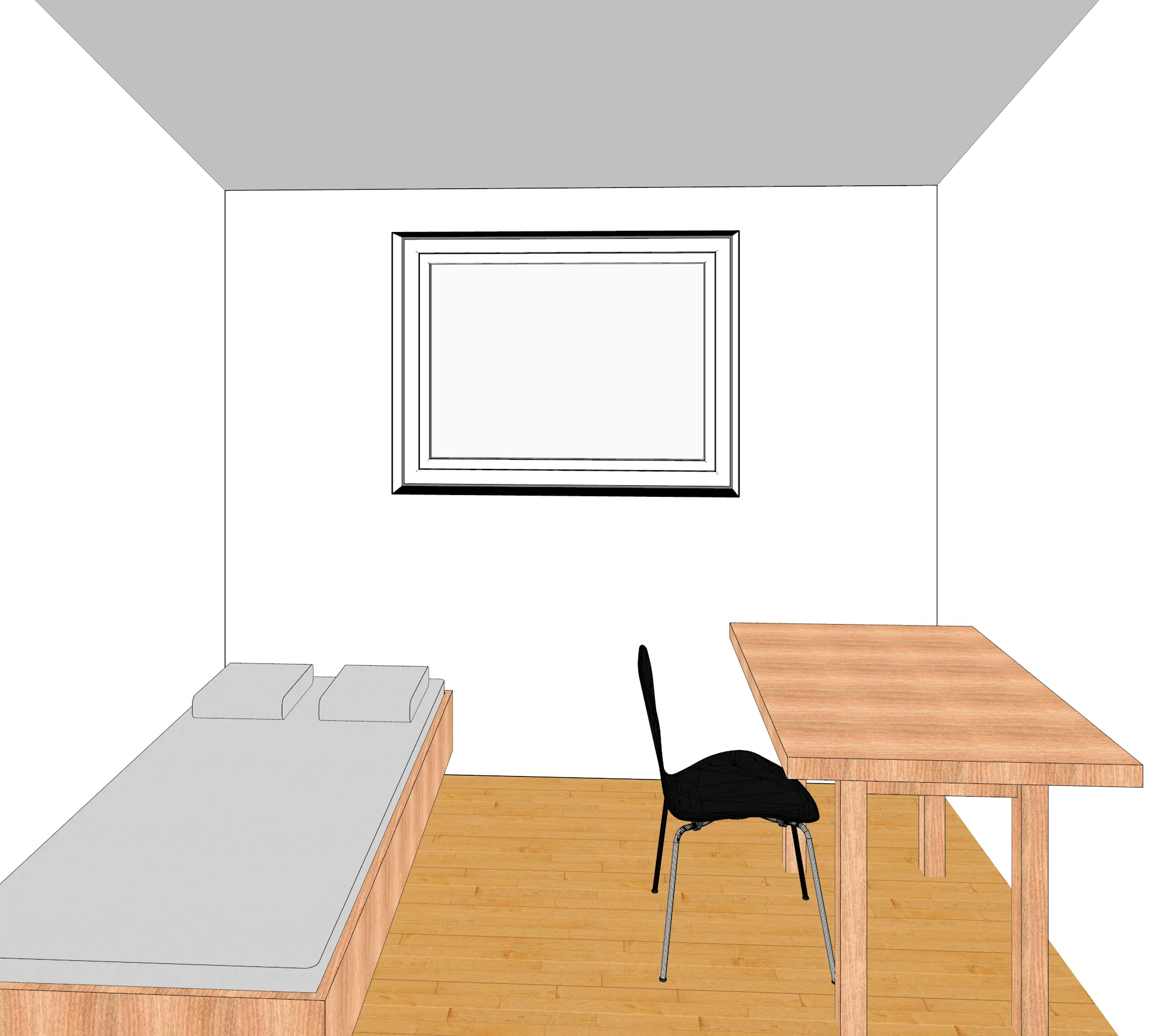
Daily life is structured from early morning to evening with alternating practices: meditation, rituals, visualisations, recitations and study. It is a complete and carefully designed system. A retreat master — an experienced teacher with deep insight into the practices taking place — guides and holds the framework.
Helpers outside the boundary take care of everything practical: shopping, cooking, maintenance, administration. The retreat participants need think of nothing other than practice.
Who participates — and what they bring home
A 3-year retreat is not reserved for monks and nuns. Participants are ordinary people with educations, careers and life histories behind them — who at a point in their lives have arrived at a place where they are ready to dedicate three years to what they consider the most important thing they can do.
Afterwards, most return to life in the world. Some become teachers and pass on what they have learned to others. Some return to work and everyday life — but with something fundamentally changed. A small few choose to enter yet another 3-year retreat.
It is not a linear path to a fixed outcome. It is an opening — for those who participate, and in the tradition’s understanding, of benefit to far more than the few who sit within the boundary.
Why we are building this in Denmark
There are currently no facilities in Scandinavia that can house a traditional 3-year retreat. Scandinavian practitioners who seek this opportunity must travel to France, Asia or other places far from home — or go without.
Manjushri Buddha Retreat Center in Himmerland has the right foundation: an established centre with decades of experience in the Karma Kagyu tradition, a beautiful and quiet location, and a strong connection to the teachers who can carry and guide such a retreat.
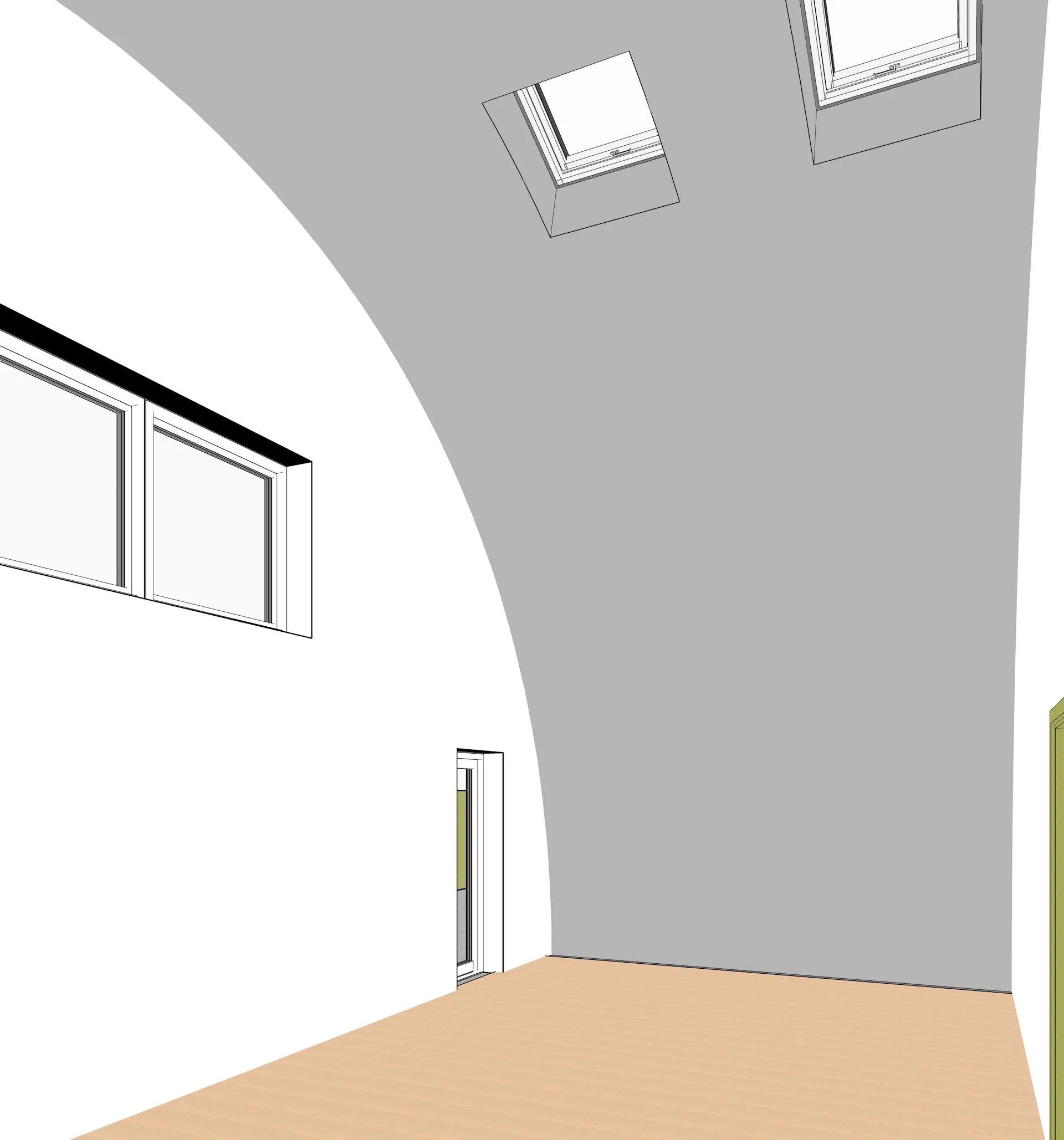
What we lack is the physical framework — buildings specifically designed to house a long retreat and protect the practice that takes place within the boundary.
That is what we are building. And that is where you can make a difference.
Frequently asked questions
What is a 3-year retreat?
A 3-year retreat is three uninterrupted years of full-time Buddhist meditation practice within a fixed retreat boundary — under the guidance of a qualified retreat master. Participants do not leave the boundary for the entire duration of the retreat.
Who can participate in a 3-year retreat?
Both ordained and lay practitioners can participate. Participants are ordinary people with educations and life histories behind them — who have arrived at a point where they are ready to dedicate three years to Buddhist practice.
What happens within the retreat boundary?
Daily life is structured with meditation, rituals, visualisations, recitations and study. There is a communal temple and private rooms for individual practice. Dupseng Rinpoche visits to give teachings, and helpers from outside provide food and maintenance.
Are there 3-year retreats in Scandinavia?
No. There are currently no facilities in Scandinavia that can house a traditional 3-year retreat. Manjushri Buddha Retreat Center is constructing the first dedicated retreat buildings on Danish soil.
What happens after a 3-year retreat?
Most return to life in the world. Some become teachers and pass on what they have learned. Some return to work and everyday life — but with something fundamentally changed. A small few choose to enter yet another 3-year retreat.